
Are Holiday Parks bullying their customers?
For many holiday park owners, the end of October marks the end of another season.
The outdoor furniture is packed away. The caravan is prepared for winter. Keys are put away and, on many parks, owners will not be returning for several months.
But there is one thing that does not necessarily stop when the park closes.
Your pitch fee.
A seasonal holiday home. An annual charge.
Many UK holiday parks operate for only part of the year. Some close at the end of October. Others remain open into November or December, while some offer longer seasons. Whatever the exact dates, thousands of owners have holiday homes on parks where they are not permitted to use them throughout the entire year. Yet pitch fees are generally charged annually.
That raises an important question: How much are you paying for the time you can actually use your holiday home?
What does your pitch fee actually pay for?
It is important to understand that a pitch fee is not necessarily a simple charge for the days you physically occupy your caravan.
Operators may use annual pitch fees to cover things such as:
- keeping your caravan on its pitch;
- maintenance and upkeep of the park;
- roads, grounds and communal areas;
- security;
- park infrastructure;
- owner services; and
- winter storage during periods when the park is closed.
So a park being closed does not automatically mean that owners are paying for “nothing”. But that does not mean owners shouldn’t look closely at what they are paying.
Work out what your ownership is really costing you
The end of the season is a good opportunity to look back over the year.
How many weeks did you actually use your caravan?
How much did you pay in pitch fees?
What other charges did you pay during the year?
Were the facilities and services you expected actually available?
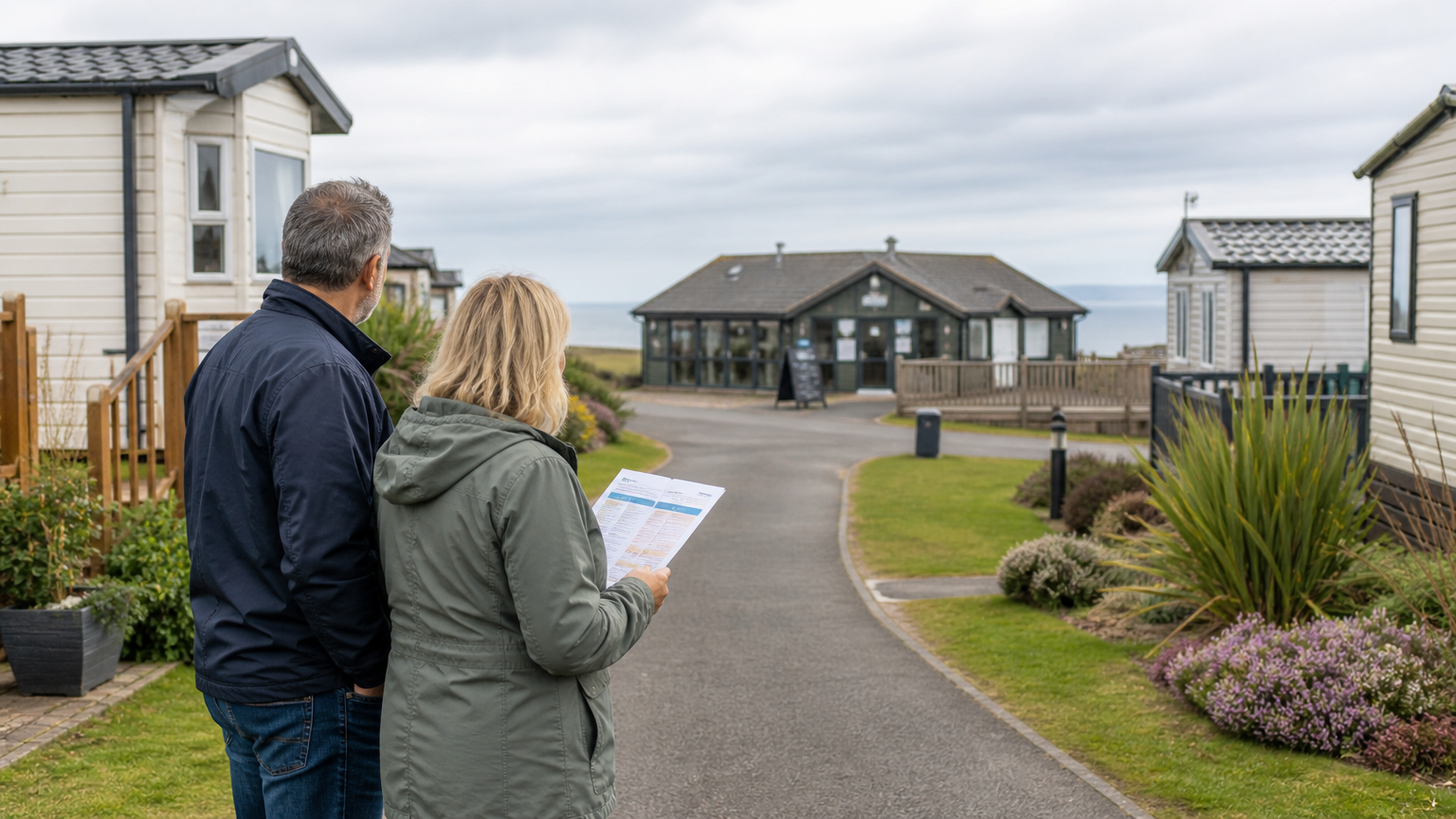
Do you still feel you received good value for the money you spent?
Imagine an owner paying thousands of pounds each year in pitch fees but only managing to use their holiday home for a handful of weekends and holidays.
The headline annual fee can suddenly look very different when viewed against the amount of time the caravan was actually available and used.
The season may be getting shorter. Are the bills getting smaller?
For some owners, this becomes particularly frustrating when pitch fees continue to increase.
They may find themselves paying more each year while still being restricted to a defined holiday season. The caravan remains on the pitch for 12 months. The annual bill remains. But the owner’s permitted usage may be considerably less than 12 months.
That distinction matters.
And as another season comes to an end, owners should ask themselves whether the arrangement they originally bought into still makes financial sense.
Think back to what you were told when you bought
Were future increases explained clearly?
Were you told how long each year you would be able to use the caravan?
Were restrictions on occupation properly explained?
Were you given the impression that ownership would represent good long-term value?
For some owners, the reality several years later can look very different from the picture presented at the point of sale.
Before you lock the door for winter, look at the numbers
As you close your caravan for another season, take a moment to add up what ownership has cost you during the past 12 months.
Look at your pitch fee.
Look at additional charges.
Look at how often you actually used the holiday home.
Then ask yourself a very simple question:
Am I still getting what I thought I was paying for?
If the answer is no, it may be worth reviewing the circumstances surrounding your purchase and the information you were given when you bought.